
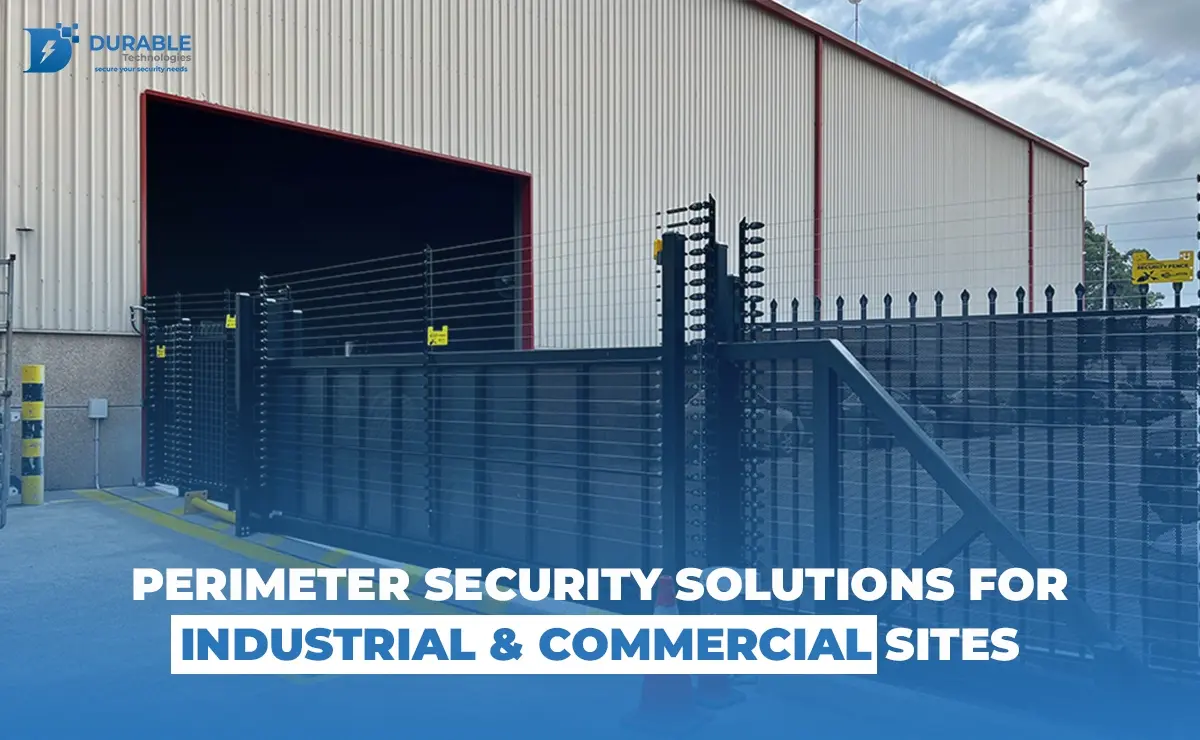
In an era where security threats are evolving faster than ever, protecting industrial and commercial properties has become a critical priority for businesses across Pakistan. From manufacturing facilities in Faisalabad to commercial complexes in Karachi, and from tech parks in Islamabad to warehouses in Lahore, perimeter security is no longer optional—it’s essential.
The landscape of security in Pakistan is transforming. With the country’s industrial sector expanding and commercial real estate booming, particularly in major cities like Islamabad, Rawalpindi, and Lahore, the demand for sophisticated perimeter security solutions has reached unprecedented levels. This comprehensive guide explores modern perimeter security solutions, their applications, and why they matter for your business.
Understanding Modern Perimeter Security
Perimeter security represents the first and most crucial line of defense for any property. It encompasses all measures designed to detect, deter, and deny unauthorized access to your premises before intruders can reach valuable assets, sensitive areas, or personnel.
Traditional perimeter security relied heavily on physical barriers like walls and manual guards. Today’s approach integrates multiple layers of protection, combining physical barriers with advanced electronic systems to create a comprehensive security ecosystem.
The Evolution of Threat Landscapes
Pakistan’s industrial and commercial sectors face diverse security challenges. Manufacturing facilities deal with theft of raw materials and finished products. Commercial properties encounter risks ranging from vandalism to organized crime. Data centers and tech facilities must protect against both physical intrusions and sophisticated attacks targeting critical infrastructure.
Recent trends show that security incidents in Pakistan’s commercial districts have prompted businesses to invest heavily in preventive measures. The rise of smart cities, particularly visible in developments across Bahria Town Islamabad and DHA Islamabad, has accelerated adoption of integrated security technologies.
Core Components of Effective Perimeter Security
A robust perimeter security system comprises several interconnected elements working together seamlessly.
Physical Barriers
Physical barriers form the foundation of perimeter protection. Modern barriers go far beyond traditional fencing, incorporating design elements that deter intrusion while maintaining aesthetic appeal.
High-security fencing systems use specialized materials and construction techniques to resist cutting, climbing, and ramming attempts. Anti-climb features like curved tops, narrow mesh patterns, and smooth surfaces make unauthorized access significantly more difficult.
For industrial sites handling hazardous materials or valuable inventory, crash-rated barriers provide additional protection against vehicle-borne threats. These engineered systems can stop vehicles traveling at specific speeds, protecting critical infrastructure from ram attacks.
Electric Fencing Systems
Electric fencing represents one of the most effective perimeter security solutions available today. These systems deliver a powerful psychological deterrent while providing active intrusion detection capabilities.
Modern electric fence systems operate on sophisticated technology that distinguishes between genuine security threats and false alarms caused by animals or environmental factors. When integrated with alarm systems, they provide immediate alerts to security personnel the moment someone attempts to breach the perimeter.
The non-lethal shock delivered by properly installed electric fencing systems serves a dual purpose. It discourages intruders from attempting access while simultaneously triggering alarms that notify security teams of the exact breach location.
For businesses in high-risk areas, electric fencing offers round-the-clock protection with minimal ongoing maintenance requirements. The visible presence of electrified perimeter systems often prevents intrusion attempts before they occur.
Video Surveillance Integration
Video surveillance serves as the eyes of your security system, providing continuous monitoring and valuable evidence collection. Modern camera systems deliver crystal-clear footage in all lighting conditions, including complete darkness.
Artificial intelligence has revolutionized video surveillance capabilities. AI-powered cameras can distinguish between routine activities and potential threats, reducing false alarms while ensuring genuine security events receive immediate attention.
Strategic camera placement creates overlapping fields of view, eliminating blind spots where intruders might attempt to breach your perimeter undetected. When integrated with electric fencing and alarm systems, surveillance cameras provide visual verification of alerts, enabling rapid and appropriate response.
Access Control Systems
Controlling who enters and exits your property is fundamental to effective security. Modern access control systems replace traditional locks and keys with sophisticated electronic solutions that track, log, and restrict access based on predetermined criteria.
Biometric systems using fingerprint or facial recognition ensure that only authorized personnel can enter sensitive areas. Card-based systems provide flexibility, allowing you to instantly revoke access privileges when employees leave or when security concerns arise.
Integration with time-and-attendance systems adds operational efficiency to security benefits, helping businesses manage workforce deployment while maintaining tight access control.
Intrusion Detection Systems
Early detection of unauthorized access attempts provides crucial time for security response. Intrusion detection systems employ various technologies to identify breaches at different perimeter zones.
- Ground sensors detect footsteps and vibrations, while fence-mounted sensors identify attempts to cut, climb, or lift fencing materials.
- Infrared beam systems create invisible barriers that trigger alarms when crossed.
Advanced systems use fiber optic cables integrated into fencing structures, creating a distributed network of sensors capable of pinpointing intrusion attempts to within meters of the actual breach point.
Industry-Specific Security Requirements
Different sectors face unique security challenges requiring tailored solutions.
Manufacturing and Industrial Facilities
Manufacturing facilities often sprawl across large areas, making comprehensive perimeter protection essential. These sites typically store valuable raw materials, expensive machinery, and finished products—all attractive targets for theft.
Industrial perimeter security must account for legitimate vehicular traffic while preventing unauthorized access. Automated gates with vehicle identification systems streamline operations while maintaining security integrity.
Hazardous material storage areas require additional layers of protection, including specialized fencing designed to contain accidental releases while restricting access to authorized personnel only.
Commercial Properties and Retail Centers
Shopping centers, office complexes, and commercial parks in Pakistan’s major cities serve thousands of visitors daily. Security systems must protect property and people while maintaining welcoming atmospheres that don’t intimidate legitimate visitors.
Perimeter security for commercial properties often emphasizes aesthetics alongside functionality. Decorative fencing, landscaping integration, and discreet camera placements provide protection without creating fortress-like appearances.
Retail locations particularly benefit from integrated systems that monitor parking areas, loading docks, and building perimeters—all common points where theft and vandalism occur.
Warehousing and Logistics Centers
Warehouse facilities face constant security challenges. Large inventories, multiple access points for deliveries and shipments, and 24/7 operations create numerous potential vulnerabilities.
Effective warehouse security zones the perimeter, creating different security levels for public areas, employee zones, and restricted inventory sections. This layered approach ensures appropriate protection for each area while facilitating efficient operations.
Loading dock areas require special attention, as these necessary access points can become security weaknesses if not properly controlled and monitored.
Technology and Data Centers
Data centers and technology facilities house critical digital infrastructure requiring the highest security levels. These facilities must protect against both physical intrusions and sophisticated attacks targeting their digital assets.
Multi-factor authentication at perimeter checkpoints ensures only authorized personnel access sensitive areas. Mantrap entrances, requiring authentication at multiple stages, prevent unauthorized piggybacking.
Environmental sensors supplement traditional security equipment, detecting attempts to tamper with cooling systems, power supplies, or network connections that could compromise operations.
The Pakistan Context: Local Security Challenges and Solutions
Pakistan’s unique security environment requires solutions adapted to local conditions and challenges.
Urban Security Considerations
Major metropolitan areas like Islamabad, Lahore, and Karachi face distinct security challenges. Densely populated neighborhoods, mixed-use developments, and varying threat levels demand flexible, scalable security approaches.
Residential communities in DHA Islamabad and Bahria Town Islamabad increasingly adopt comprehensive perimeter security, setting new standards for protected living environments. These implementations demonstrate how sophisticated security measures can integrate seamlessly with modern urban planning.
Climate and Environmental Factors
Pakistan’s diverse climate zones—from coastal humidity to northern winters—require security equipment designed for local environmental conditions. Systems must operate reliably despite dust storms, monsoon rains, and temperature extremes.
Quality electric fencing systems maintain effectiveness regardless of weather conditions, while cameras with environmental ratings ensure continuous operation through dust, rain, and temperature fluctuations.
Power Infrastructure Reliability
Intermittent power supply in some areas necessitates backup power systems for critical security equipment. Modern security solutions incorporate battery backup and solar power options, ensuring continuous protection even during outages.
Uninterruptible power supplies keep cameras recording, alarms active, and access control systems operational regardless of grid reliability. Solar-powered electric fencing offers a sustainable solution for sites in areas with unreliable electrical infrastructure.
Advanced Technologies Shaping Modern Perimeter Security
Innovation continues transforming perimeter security capabilities and effectiveness.
Artificial Intelligence and Machine Learning
AI-powered security systems learn normal activity patterns, becoming increasingly accurate at identifying unusual behaviors that might indicate security threats. These systems reduce false alarms while improving threat detection accuracy.
Predictive analytics identify potential security vulnerabilities before incidents occur, enabling proactive security enhancement rather than reactive responses to breaches.
Integration and Smart Systems
Modern security platforms integrate multiple systems—electric fencing, cameras, access control, alarms—into unified management interfaces. Security personnel monitor and control all perimeter elements from centralized command centers.
Cloud-based management enables remote monitoring and control, allowing security managers to oversee multiple sites from anywhere with internet connectivity. Mobile applications provide real-time alerts and enable rapid response to security events.
Thermal Imaging and Low-Light Technologies
Advanced cameras using thermal imaging detect intruders in complete darkness, fog, or smoke—conditions where traditional cameras become ineffective. These systems identify human presence based on heat signatures rather than visible light.
Low-light amplification technologies deliver clear color images in near-darkness, providing superior identification capabilities compared to traditional infrared systems that produce only black-and-white footage.
Installation Considerations and Best Practices
Effective perimeter security requires proper planning, professional installation, and ongoing maintenance.
Security Assessment and Planning
Professional security assessments identify vulnerabilities, evaluate threats, and recommend appropriate solutions for your specific property and security requirements. This analysis considers factors like property layout, business operations, threat levels, and budget constraints.
Security consultants develop comprehensive protection strategies that balance effectiveness, cost, and operational efficiency. They identify critical areas requiring enhanced protection while ensuring security measures don’t impede legitimate business activities.
Professional Installation
Perimeter security systems require expert installation to function properly and reliably. Professional installers ensure electric fencing meets safety standards, cameras cover all critical areas without blind spots, and sensors are positioned for optimal detection while minimizing false alarms.
Proper grounding and surge protection prevent electrical issues that could disable systems during storms. Secure mounting prevents tampering or accidental damage that might create security gaps.
Testing and Commissioning
Before activating any security system, comprehensive testing verifies all components function correctly and integrate seamlessly. This process identifies any issues that could compromise security effectiveness.
Testing includes verifying alarm notifications reach the correct personnel, confirming cameras record and store footage properly, and ensuring access control systems grant or deny entry according to programmed parameters.
Maintenance and System Updates
Regular maintenance keeps security systems operating at peak effectiveness. Scheduled inspections identify worn components before failures occur, preventing security gaps.
Firmware updates address newly discovered vulnerabilities and add enhanced capabilities to existing equipment. Regular testing ensures backup power systems will activate when needed and that all personnel understand proper system operation.
Regulatory Compliance and Standards
Security installations in Pakistan must comply with relevant regulations and safety standards.
Electrical Safety Standards
Electric fencing installations must meet electrical safety requirements protecting both the property owner and potential intruders from excessive risk. Properly designed systems deliver non-lethal deterrent shocks while triggering alarms.
Professional installers ensure compliance with voltage limitations, proper signage warning of electrified fencing, and emergency cutoff systems that disable electric fencing during emergencies.
Privacy and Data Protection
Video surveillance systems must balance security needs with privacy rights. Cameras should monitor perimeter areas and entry points while avoiding unnecessary recording of adjacent properties or public spaces.
Data retention policies should specify how long footage is stored, who can access recordings, and under what circumstances footage may be shared with authorities or third parties.
Industry-Specific Requirements
Certain industries face additional regulatory requirements. Facilities handling hazardous materials may require specific perimeter security measures. Financial institutions must meet banking security standards.
Data centers may need to comply with international security certifications.
Cost Considerations and Return on Investment
While perimeter security represents a significant investment, the costs of inadequate security far exceed implementation expenses.
Direct Security Costs
Theft, vandalism, and intrusions impose direct financial losses through stolen inventory, damaged equipment, and business interruption. A single significant security incident can exceed the cost of comprehensive perimeter security implementation.
Insurance companies often reduce premiums for properties with robust security systems, providing ongoing cost savings that offset initial investment expenses over time.
Operational Efficiency Benefits
Modern integrated security systems provide benefits beyond theft prevention. Access control systems streamline workforce management. Video analytics provide insights into operational efficiency. Automated gates reduce staffing requirements while improving access control.
Risk Mitigation Value
Comprehensive perimeter security reduces risks of workplace violence, industrial espionage, and sabotage—scenarios that could threaten business continuity or result in catastrophic losses.
For critical infrastructure and essential services, security investments protect not just physical assets but also operational capacity and public safety.
Choosing the Right Security Partner
Selecting an experienced, reputable security provider ensures effective system design, professional installation, and reliable ongoing support.
Experience and Expertise
Look for providers with proven track records in your specific industry and facility type. Industrial security differs significantly from commercial or residential applications, requiring specialized knowledge and experience.
Request references and case studies demonstrating successful implementations similar to your requirements. Visit existing installations to evaluate system quality and integration.
Comprehensive Solutions
The best security providers offer complete solutions rather than individual products. Integrated systems from single sources ensure compatibility, streamline troubleshooting, and simplify ongoing management.
Providers should offer design consultation, professional installation, training for your security personnel, and responsive maintenance support throughout the system lifecycle.
Local Support and Service
Security systems require prompt service when issues arise. Choose providers with local presence in your area, ensuring rapid response to service calls and ready availability of replacement parts.
Long-term relationships with security providers who understand your evolving needs enable continuous security improvement as your business grows and threat landscapes change.
Future-Proofing Your Security Investment
Technology advances rapidly, potentially rendering security systems obsolete. Smart planning ensures your investment remains effective for years.
Scalable System Architecture
Choose systems designed for expansion and upgrade. Modular architectures allow adding cameras, extending fencing, or integrating new technologies without replacing entire systems.
Open-standard platforms avoid vendor lock-in, enabling integration of best-in-class components from multiple manufacturers as needs evolve.
Regular Assessment and Updates
Annual security assessments identify emerging threats and technology improvements that could enhance protection. Regular updates keep pace with evolving security challenges rather than waiting for incidents to expose vulnerabilities.
Staff Training and Security Culture
Technology alone cannot guarantee security. Staff awareness and proper procedures are equally important. Regular training ensures personnel understand security protocols, recognize potential threats, and respond appropriately to incidents.
Building a security-conscious culture where everyone takes responsibility for facility protection multiplies the effectiveness of technical security measures.
Taking Action: Securing Your Facility
The question isn’t whether to invest in perimeter security, but how to implement the most effective solution for your specific needs and circumstances.
Start with a professional security assessment identifying your current vulnerabilities and potential threats. This evaluation provides the foundation for developing a comprehensive security strategy tailored to your property, operations, and risk profile.
Work with experienced security professionals who understand Pakistani business environments and local security challenges. They can recommend solutions proven effective in similar applications while adapting systems to your unique requirements.
Remember that security is an ongoing process, not a one-time installation. Regular reviews, system updates, and staff training ensure your perimeter security remains effective as threats evolve and your business grows.
The protection of your assets, personnel, and operations deserves the same attention and investment as any other critical business function. Comprehensive perimeter security provides peace of mind, enabling you to focus on your core business activities while knowing your property receives professional, reliable protection.
In Pakistan’s dynamic security environment, proactive protection is far more effective—and far less costly—than reactive responses to security incidents. The time to enhance your perimeter security is now, before vulnerabilities become costly breaches.
For expert consultation on perimeter security solutions tailored to your industrial or commercial property, contact experienced security professionals who understand Pakistan’s unique security landscape and can design systems meeting your specific protection requirements.